

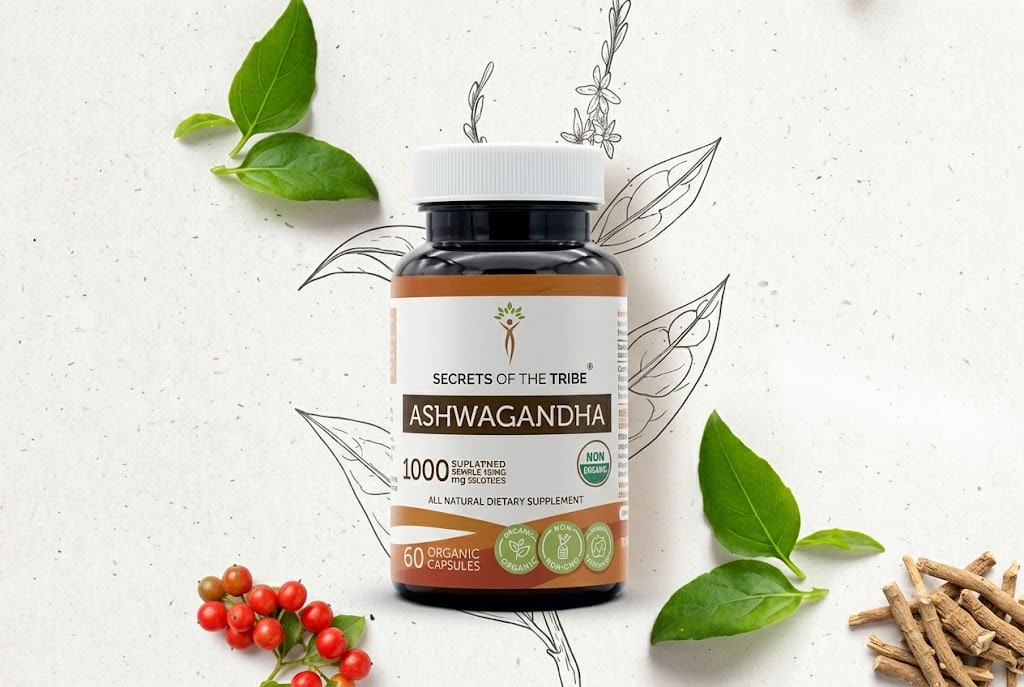
The Ashwagandha vs Rhodiola comparison starts with two different plants, not two interchangeable versions of an “adaptogen.” Ashwagandha is Withania somnifera. Rhodiola supplements usually refer to Rhodiola rosea. Their plant parts, characteristic compounds, research records, side effects, and interaction concerns differ. This guide explains how to compare them without turning limited evidence into a universal recommendation.
What Is the Main Difference Between Ashwagandha and Rhodiola?

Ashwagandha supplements commonly use root or combined root-and-leaf extracts. Rhodiola products generally use the rhizome and root. Their marketing may overlap around stress, fatigue, mood, sleep, or performance, but shared marketing language does not establish identical effects.
| Comparison point | Ashwagandha | Rhodiola |
|---|---|---|
| Botanical name | Withania somnifera | Rhodiola rosea |
| Plant family | Solanaceae | Crassulaceae |
| Common plant material | Root or root and leaf | Rhizome and root |
| Common label markers | Withanolides | Rosavins and salidroside |
| Research focus | Stress, sleep, anxiety, and selected performance outcomes | Fatigue, mental performance, stress, and physical performance |
| Possible unwanted effects | Drowsiness, nausea, stomach upset, loose stools, or vomiting | Headache, nausea, abdominal discomfort, diarrhea, rash, or itching |
| Important safety questions | Thyroid function, liver history, pregnancy, surgery, and interacting medicines | Pregnancy, antidepressants, blood thinners, product identity, and limited long-term data |
Neither column identifies a superior supplement. A fair comparison requires the exact species, plant part, extract, serving, and intended use.
What Does the Research Say About Ashwagandha?
Several small clinical trials have examined specific ashwagandha preparations for perceived stress and sleep. Some results are promising, but the studies used different extracts, plant parts, standardization methods, servings, and study periods. Those differences make it difficult to transfer one study result to every retail product.
Official NIH reviews describe short-term use, generally up to about three months, as reasonably tolerated in available studies. Long-term safety remains uncertain. Rare cases of liver injury have been associated with ashwagandha supplements, although product composition was not independently verified in every report.
Ashwagandha may also affect thyroid function. It can interact with thyroid hormone, sedatives, anticonvulsants, immunosuppressants, and medicines used for blood pressure or blood sugar. These concerns matter more than general claims about being calming or balancing.
What Does the Research Say About Rhodiola?
Rhodiola research has focused heavily on fatigue, stress, mental performance, and exercise. Reviews have found inconsistent results. Some trials report changes in fatigue or performance, while others show no clear advantage or favor placebo. Methodological problems, small samples, and differing preparations limit firm conclusions.
The European Medicines Agency recognizes traditional use of Rhodiola rosea rhizome and root preparations for temporary symptoms associated with stress, such as fatigue and weakness. Traditional-use recognition is not the same as strong clinical confirmation for every modern supplement.
The EMA monograph lists headache, nausea, abdominal pain, diarrhea, skin rash, and itching as possible adverse reactions with unknown frequency. Safety during pregnancy and breastfeeding has not been established.
Are Ashwagandha and Rhodiola Interchangeable?
No. The term “adaptogen” is a broad concept, not a regulatory guarantee or a chemical category. It does not show that two herbs produce the same response, use the same biological pathways, or have the same interaction profile.
Ashwagandha is sometimes associated with drowsiness and sleep-focused research. Rhodiola is often marketed for daytime fatigue or alertness. These patterns should not become universal timing rules. Individual products and individual responses can differ.
There are not enough direct head-to-head trials to conclude that one is better for stress, energy, sleep, or performance. Comparing separate studies is especially unreliable when the extracts, participants, outcomes, and study periods do not match.
How Should You Compare the Labels?
Start with identity and preparation. A familiar front-label name is not enough.
Scientific Name
Confirm Withania somnifera for ashwagandha or Rhodiola rosea for rhodiola. The genus Rhodiola contains multiple species, and research involving one species should not be assigned automatically to another.
Plant Part
Look for root, leaf, rhizome, or a combination. Ashwagandha root extract is not identical to a root-and-leaf extract. A rhodiola aerial-parts product would not match research based on rhizome and root.
Extract Information
Record the extract amount, extraction ratio, and solvent when disclosed. Whole-plant powder and concentrated extract should not be compared by milligrams alone.
Standardization
Ashwagandha labels may state withanolide content. Rhodiola labels may state rosavins and salidroside. These markers help identify a preparation, but a larger percentage does not automatically mean a more appropriate product.
Full Formula
Check whether the product contains caffeine, black pepper extract, sedating botanicals, vitamins, or other active ingredients. A multi-ingredient formula cannot be evaluated as if it contained only ashwagandha or rhodiola.
Which Supplement Is More Suitable for Daytime Use?
No universal answer applies. Rhodiola is often positioned as a daytime supplement, while ashwagandha may appear in morning or evening routines. Marketing position does not establish how a specific user will respond.
Follow the selected product’s directions. Consider sleep, alertness, stomach tolerance, medicines, and work that requires concentration. If you are evaluating a new supplement, changing one variable at a time makes unwanted reactions easier to identify.
Do not combine both merely to create an assumed balance between stimulation and relaxation. The combination has not been established as more effective, and it introduces more variables and interaction questions.
Who Should Seek Professional Guidance?
Ask a qualified clinician or pharmacist before using either supplement if you take prescription medicines, have a chronic condition, are preparing for surgery, or have reacted to botanical products before.
Ashwagandha requires particular caution around thyroid disorders, autoimmune conditions, liver history, sedatives, anticonvulsants, immunosuppressants, and medicines affecting blood pressure or blood sugar. NCCIH advises against its use during pregnancy and breastfeeding.
Rhodiola deserves extra review with antidepressants and blood thinners. Specialist references describe potential serotonergic concerns and a reported rapid-heart-rhythm event during concurrent antidepressant use. Evidence remains limited, so a pharmacist should assess the actual medicine and product rather than relying on a generic interaction checker.
Ashwagandha and Alcohol
Ashwagandha and alcohol do not have a well-defined combination supported by controlled human studies. Ashwagandha can cause drowsiness in some people, while alcohol can reduce attention, coordination, and judgment. The two effects should not be assumed to cancel each other or remain separate simply because they occur at different hours.
Liver history also changes the discussion. Rare liver-injury reports have involved ashwagandha, and alcohol creates a separate liver burden. This does not prove that a particular serving will cause a problem, but it makes casual mixing difficult to justify for someone with liver disease, abnormal liver tests, heavy alcohol use, or medicines that affect the liver.
Rhodiola should not be considered a safer alcohol companion because it is often described as energizing. No botanical restores coordination impaired by alcohol. If alcohol is part of the routine, disclose the amount and frequency when discussing either supplement with a clinician.
Ashwagandha vs Rhodiola Comparison Checklist
Use this checklist for the exact products under consideration. Compare complete labels and personal risk factors before comparing marketing claims.
Confirm the Species
Look for Withania somnifera or Rhodiola rosea. Avoid products that disclose only a broad common name.
Find the Plant Part
Record whether the formula uses root, leaf, rhizome, or a combination. Match this detail when reading research.
Identify the Preparation
Separate powders from extracts. Note the extraction ratio, solvent, and amount per serving when available.
Read the Standardization
Check withanolides for ashwagandha and rosavins or salidroside for rhodiola. Do not use percentages as a simple quality score.
Review Every Ingredient
Look for caffeine, piperine, sedating herbs, sweeteners, allergens, and other active components.
Check Medicines and Conditions
Review thyroid, liver, immune, blood pressure, blood sugar, seizure, antidepressant, sedative, and blood-thinner considerations.
Change One Variable
Avoid starting both supplements together. A single change makes individual reactions easier to trace.
Record the Response
Track sleep, alertness, digestion, headache, rash, heartbeat sensations, and unusual drowsiness.
What Warning Signs Should Not Be Ignored?
Stop the supplement and seek medical advice for yellowing of the skin or eyes, dark urine, persistent vomiting, severe abdominal discomfort, fainting, a marked heartbeat change, widespread rash, or unusual confusion.
These symptoms do not prove that a supplement caused the problem. They do warrant prompt assessment, especially when a new product, medicine, alcohol, or multiple supplements were introduced close together.
FAQ
Is Ashwagandha better than Rhodiola?
No universal ranking is supported. The better comparison depends on the exact extract, intended use, safety factors, medicines, and individual response.
Can Ashwagandha and Rhodiola be taken together?
The combination lacks strong direct evidence. Using both also makes side effects and interactions harder to identify.
Is Rhodiola a stimulant?
Rhodiola is often marketed for daytime energy, but it is not equivalent to caffeine or a prescription stimulant. Responses vary.
Does Ashwagandha always cause drowsiness?
No. Drowsiness is a possible side effect, not a guaranteed response. Product composition and individual sensitivity matter.
Which one has stronger evidence for fatigue?
Rhodiola has been studied frequently for fatigue, but reviews describe inconsistent results and important study limitations.
Which one has stronger evidence for sleep?
Several small studies have evaluated specific ashwagandha extracts for sleep. The findings do not apply automatically to every product.
Can either supplement interact with antidepressants?
Potential interactions should be reviewed professionally. Rhodiola raises particular serotonergic questions, while ashwagandha may increase sedative effects with some medicines.
Can I drink alcohol while using Ashwagandha or Rhodiola?
No universal safe combination or timing gap has been established. Consider drowsiness, liver history, medicines, and drinking pattern.
Can milligram amounts be compared directly?
Not reliably. Powders, extracts, plant parts, extraction ratios, and standardized constituents can differ substantially.
Glossary
Adaptogen
A broad, loosely defined term used for substances associated with responses to physical or mental stress.
Ashwagandha
The common name for Withania somnifera, a shrub used in several botanical supplement formats.
Rhodiola
A plant genus that includes Rhodiola rosea, also called roseroot or Arctic root.
Rhizome
A horizontal underground plant stem that can store nutrients and produce roots and shoots.
Withanolides
Compounds commonly used to describe or standardize ashwagandha extracts.
Rosavins
A group of compounds often declared on standardized Rhodiola rosea products.
Salidroside
A compound found in several Rhodiola species and used as an extract marker.
Standardized extract
An extract manufactured to contain a stated amount or percentage of selected constituents.
Head-to-head trial
A study that compares two interventions directly under the same conditions.
Conclusion
Ashwagandha vs Rhodiola is a comparison of different species, plant materials, extracts, evidence bases, and safety profiles. Choose neither by category name alone, and review the exact label, medicines, conditions, alcohol use, and individual response.
Sources Used
- Ashwagandha composition, clinical evidence, short-term safety, liver reports, thyroid effects, and medication interactions, NIH Office of Dietary Supplements Health Professional Fact Sheet - ods.od.nih.gov/factsheets/Ashwagandha-HealthProfessional
- Ashwagandha identity, safety limitations, pregnancy guidance, and interaction concerns, National Center for Complementary and Integrative Health - nccih.nih.gov/health/ashwagandha
- Rhodiola botanical identity, plant material, traditional-use assessment, adverse reactions, and pregnancy guidance, European Medicines Agency Rhodiola monograph - ema.europa.eu/en/medicines/herbal/rhodiolae-roseae-rhizoma-et-radix
- Review of human research on Rhodiola for physical and mental fatigue, PubMed systematic review - pubmed.ncbi.nlm.nih.gov/22643043
- Rhodiola safety and potential antidepressant or blood-thinner interactions, Memorial Sloan Kettering Cancer Center herb reference - mskcc.org/cancer-care/integrative-medicine/herbs/rhodiola
- Alcohol, drowsiness, coordination, medicines, and herbal interaction considerations, National Institute on Alcohol Abuse and Alcoholism - niaaa.nih.gov/publications/brochures-and-fact-sheets/harmful-interactions-mixing-alcohol-with-medicines